
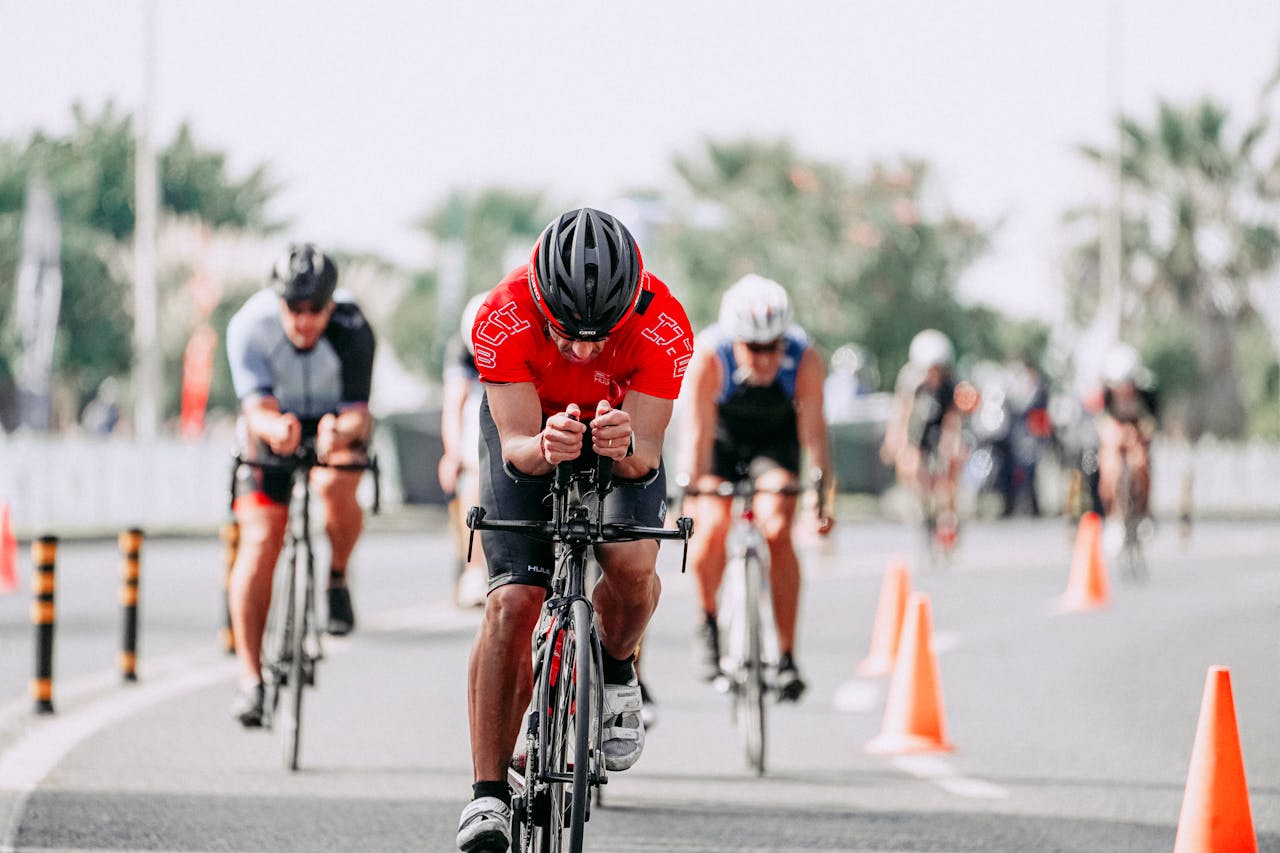
Cycling demands consistent energy intake to maintain power output. As a rider, you know the frustration of fumbling with sticky, single-use packaging while trying to hold your cadence and line. The gel flask presents a highly practical alternative to this common problem. A gel flask cycling is a small, reusable squeeze bottle that holds multiple servings of energy gel, allowing you to consume your nutrition efficiently without breaking your rhythm. This approach simplifies your fuelling strategy and keeps your focus firmly on the road ahead.
The Benefits of Using Gel Flasks on Rides
Taking your hands off the handlebars to tear open a tiny packet disrupts your balance and concentration. A flask solves this by allowing simple, single-handed operation. You squeeze a measured amount directly into your mouth and return your hand to the bars instantly. This method drastically reduces the sticky mess that often coats your gloves, handlebars, and bike frame. Buying energy gel in bulk to fill your container reduces packaging waste and significantly lowers your overall nutrition costs over the cycling season. Bulk gels cost a fraction of their individually wrapped counterparts, leaving more of your budget available for essential bike maintenance.
Choosing the Right Gel Flask
Selecting a suitable flask requires attention to its physical dimensions and the nozzle design. You need a container that slides effortlessly into your rear jersey pocket without creating an uncomfortable bulge or resting awkwardly against your spine. Cyclists generally favour a capacity of around 150ml, which typically holds about five standard gel servings. The dispensing valve is equally important for a stress-free ride. A high-quality bite valve stops leaks during bumpy gravel sections or pothole-ridden roads but allows the thick liquid to flow freely when you apply pressure. Certain riders prefer flasks with clear measurement markings to track exactly how many carbohydrates they have consumed during a long training session.
How to Use and Maintain Your Gel Flask
Preparing your flask before a ride takes just a minute of your time. You pour the bulk gel directly into the bottle, occasionally adding a small splash of water if the consistency feels too thick. This slight dilution makes the carbohydrate solution flow faster during intense efforts when your breathing is heavy. After your ride, cleaning the flask immediately stops the sticky residue from hardening inside the plastic. Warm water and standard washing-up liquid will clear out the main chamber effectively. For the nozzle, a small brush or running hot water through the opening removes any trapped gel, preventing dangerous mould growth. Leaving a dirty flask in your gym bag overnight makes the cleaning process significantly harder the next day.
Comparing Flasks to Individual Gel Packets
Individual packets offer convenience at the point of purchase, but they present several practical issues during an actual ride. You have to store the empty, sticky wrappers somewhere in your pockets until you reach a public bin. The sharp edges of these torn wrappers can sometimes damage delicate cycling apparel or puncture spare inner tubes stored nearby. A flask eliminates this mid-ride litter entirely. You also gain precise control over your carbohydrate intake. Instead of being forced to consume a full 30-gram packet at once, you can take a small sip of gel exactly when your body requires a minor energy boost. This micro-dosing approach helps prevent the stomach upset that often occurs when consuming large amounts of simple sugars at once.
Next Steps for Your Cycling Nutrition
Transitioning to a reusable flask fundamentally improves how you manage energy on the bike. It removes the unnecessary distraction of difficult packaging and keeps your cycling kit clean. To begin experimenting with this method, purchase a simple 150ml bite-valve flask and a bulk container of your preferred energy gel flavour. Try this new setup on your next weekend training ride. You will likely find the steady, controlled carbohydrate delivery makes a noticeable difference to your late-ride stamina.