
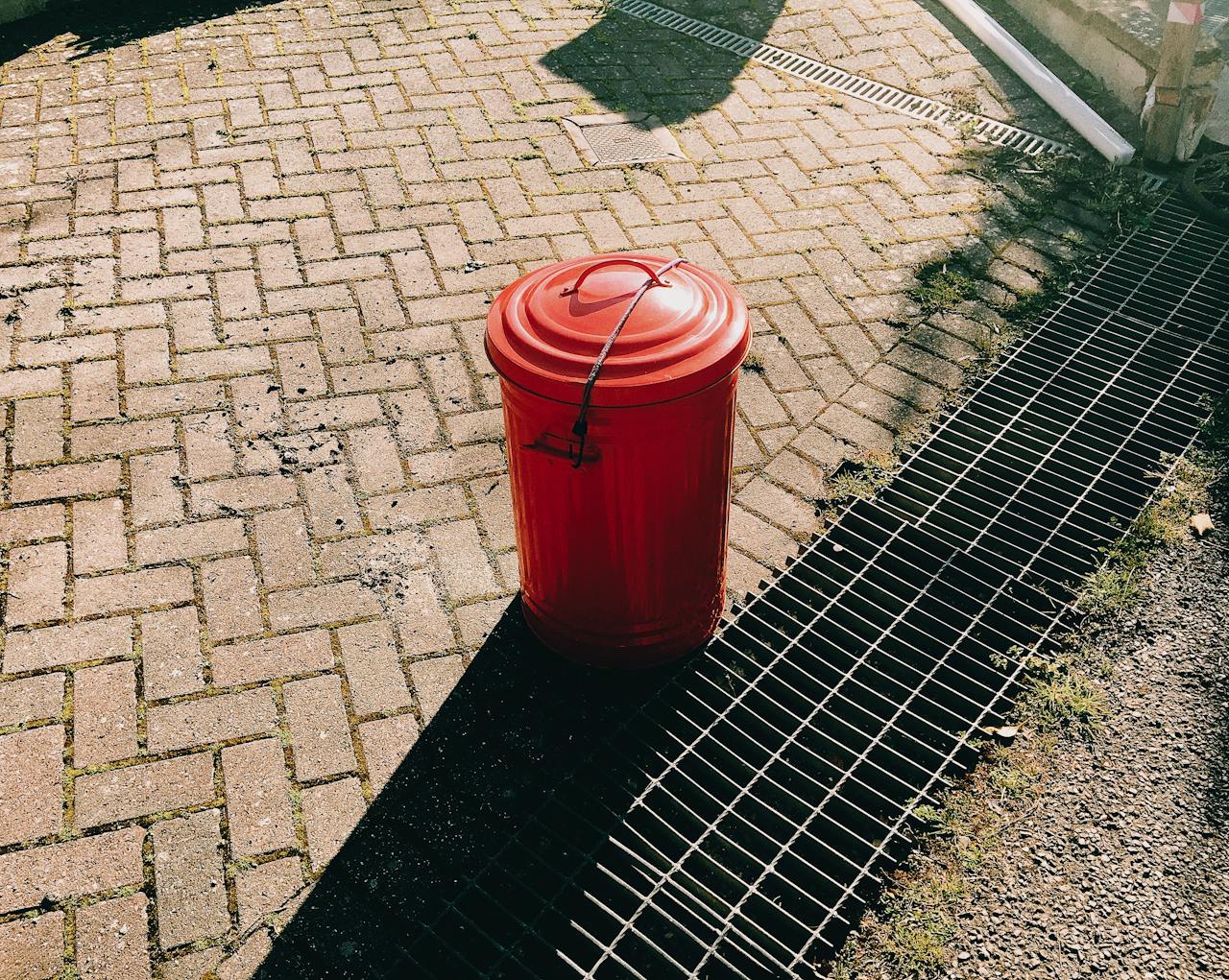
Finding a blocked drain outside your property can be concerning. Slow-draining water, unpleasant smells, and gurgling sounds are all signs that something is wrong. While it’s tempting to ignore it, a blockage can quickly escalate into a more serious issue, potentially causing water damage or health hazards. This guide will walk you through the reasons why you should address it promptly, common causes, and how to fix the problem.
Why Addressing a Blocked Drain Is Important
An external drain blockage is more than just a minor inconvenience. If left untreated, it can lead to overflowing water that may seep into your home’s foundations, causing structural damage over time. Stagnant water also creates an unsanitary environment, attracting pests and becoming a breeding ground for harmful bacteria. Addressing the issue quickly protects your property, prevents costly repairs, and maintains a safe, hygienic space for you and your family.
Common Causes of Outside Drain Blockages
Several factors can lead to a blocked external drain. One of the most frequent culprits is an accumulation of leaves, dirt, and other garden debris that gets washed into the drain and builds up. Tree roots are another common cause; they can grow into pipes, creating cracks and obstructions. Incorrectly disposed of items, such as wet wipes, fats, oils, and grease from the kitchen sink, can also solidify in the pipes, leading to significant blockages that are difficult to clear.
DIY Methods for Clearing Blocked Drains
For minor blockages, there are a few methods you can try yourself before calling for professional help. First, put on protective gloves and clothing. Start by lifting the drain cover and manually removing any visible debris like leaves, mud, and twigs. This might be enough to solve the problem. If the blockage persists, a drain rod can be effective. By inserting the rod into the drain and pushing it back and forth, you can often break up the obstruction. Alternatively, a high-pressure hose can sometimes dislodge the blockage by forcing water through the pipe.
When to Call a Professional Plumber
There are times when a DIY approach is not enough. If you have tried the methods above and the drain is still blocked, it is time to contact a professional. Similarly, if you notice recurring blockages, there might be an underlying issue, such as collapsed pipes or significant tree root intrusion, that requires expert assessment. A professional plumber has specialised equipment, like CCTV drain cameras, to accurately diagnose the problem and resolve it efficiently, saving you time and preventing further damage.
Preventative Measures to Avoid Future Blockages
Prevention is always better than cure. To keep your external drains clear, regularly sweep up leaves and debris from around the drain covers. You can also fit a drain guard to catch larger items before they enter the pipework. Be mindful of what you pour down your sinks; avoid disposing of fats, oils, and food scraps that can cause build-ups. By taking these simple steps, you can significantly reduce the likelihood of facing another blocked drain in the future.
Your Next Steps
A blocked drain outside your home is not just an inconvenience—it’s an issue that needs immediate attention to avoid further complications. Understanding the common causes, such as a buildup of leaves, dirt, or other debris, can help you address minor blockages before they escalate. In many cases, simple tools like a plunger or drain snake can be used to manage the situation yourself if the blockage is small and manageable. However, for more persistent or severe clogs that won’t budge, calling a professional plumber is often the safest and most effective option. Professionals have the necessary expertise and equipment to resolve the problem without risking damage to your drainage system. To avoid these situations altogether, regular maintenance, like clearing debris from drains or installing drain guards, is essential. Taking proactive steps can help prevent future blockages, save time, and protect your property from potential water damage.