
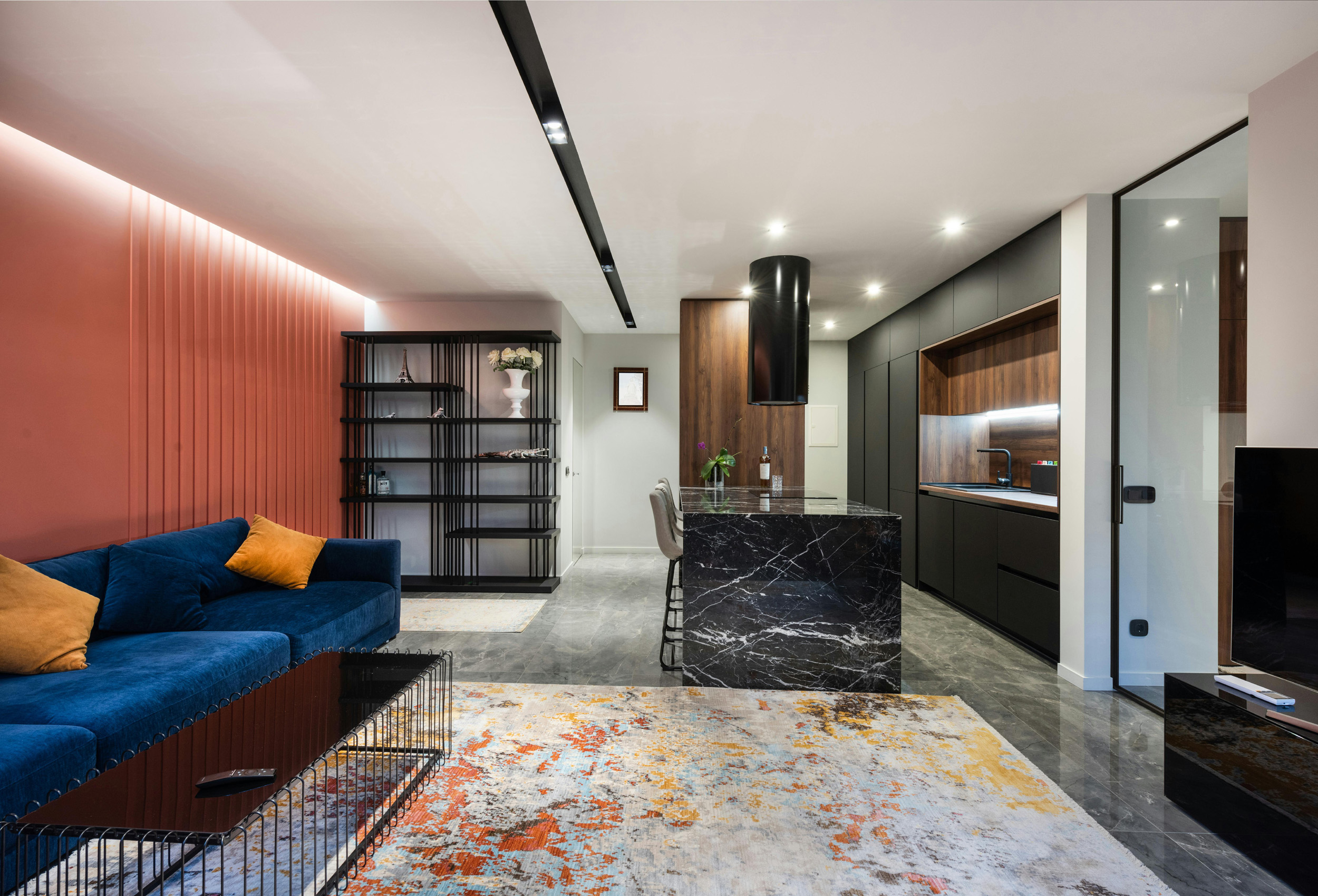
Stone flooring has been a symbol of elegance and endurance for centuries. Its natural beauty and strength make it a popular choice for homes, offering a foundation that is both practical and visually appealing. If you’re considering a new floor, understanding the different types of stone and their benefits can help you make an informed decision for your space.
Types of Stone Flooring
Each type of stone flooring possesses distinct qualities. Knowing these can help you select the best fit for your home’s style and your lifestyle’s demands.
Granite
Granite is an igneous rock known for its exceptional hardness and resistance to scratches. It’s formed from cooled magma and features a granular appearance with a variety of colours, from deep blacks to light pinks. Because it is one of the most durable natural stones, granite is an excellent choice for high-traffic areas like kitchens and hallways. Its low porosity also means it resists stains well once sealed.
Marble
Marble is a metamorphic rock prized for its classic, luxurious appearance. It is famous for its veined patterns and is available in a range of colours, including white, black, green, and pink. Marble is softer than granite, which makes it more susceptible to scratches and staining, particularly from acidic substances like wine or citrus juice. For this reason, it is often preferred for less busy areas such as bathrooms or as a decorative feature.
Limestone
A sedimentary rock, limestone offers a more subtle, natural look with earthy tones like creams, beiges, and greys. It often contains fossilised patterns from ancient sea life, adding to its character. Limestone is softer and more porous than granite and marble, so it requires regular sealing to protect against stains and moisture. Its soft texture feels pleasant underfoot, making it a comfortable choice for bedrooms and living rooms.
Slate
Slate is a fine-grained metamorphic rock that can be split into thin, smooth sheets. It is available in dark, rich colours like black, grey, green, and blue, often with a subtle multicoloured appearance. Slate is very durable and offers excellent resistance to water, making it a great option for kitchens, bathrooms, and even outdoor patios. Its naturally textured surface provides good slip resistance.
The Advantages of Stone Floors
Choosing stone for your flooring brings several significant benefits that contribute to its lasting appeal. Its longevity is one of its primary assets; a properly installed and maintained stone floor can last for a lifetime. This durability makes it a cost-effective solution over the long term, despite a higher initial investment.
Aesthetically, stone flooring adds a sense of quality and connection to the natural world. Each tile is different, creating a floor that is entirely your own. Furthermore, homes with stone floors often see an increase in property value, as it is a desirable feature for many prospective buyers.
Maintaining Your Stone Floor
Caring for your stone floor will preserve its beauty for years. Regular sweeping or vacuuming with a soft brush attachment will prevent grit from scratching the surface. For cleaning, use a pH-neutral cleaner specifically designed for stone, as acidic or abrasive cleaners can damage the material. It’s also important to wipe up spills immediately, especially on more porous stones like marble and limestone. Applying a sealant periodically will protect the stone from moisture and stains, keeping it in excellent condition.
A Lasting Foundation for Your Home
Stone flooring offers a combination of durability, timeless style, and added home value that few other materials can match. Whether you prefer the resilient nature of granite, the classic elegance of marble, the earthy feel of limestone, or the robust quality of slate, there is a stone to suit your home. With proper care, a stone floor is an investment that provides a beautiful and enduring foundation for daily life.